Bad news

I am deeply saddened by the news that there are likely less than 100 Vaquitas remaining on the planet, with under 25 of them being reproductive females. The International Vaquita Recovery Team, CIRVA, has just published the findings of their 5th meeting here: http://www.iucn-csg.org/index.php/2014/08/02/the-vaquita-new-report-from-cirva-released/, with more information coming soon from the Mexican Presidential Commission on Vaquita Conservation at this site: http://www.iucn-csg.org/.

The issue has quickly become a worldwide news story, being covered by the Washington Post (below) and ABC News among others.

The reason of their decline remains the same: accidental capture due to illegal gillnet fishing. But it now appears that there is a culprit more damaging than the shrimp fishery: Totoaba. A critically endangered species in its own right, Totoaba has been illegally hunted for years due to the incredibly high market value of their swim bladders. Particularly in China, these organs are a delicacy that can fetch over $10,000 per bladder. The temptation is simply too good to be true for the local fishermen, no matter how illegal it may be. As one of NOAA’s Vaquita experts Jay Barlow says, “With two days of fishing, you can buy a new pickup truck.”:

http://www.washingtonpost.com/world/the_americas/china-bladder-trade-sending-porpoise-to-extinction/2014/08/01/3b317cf8-19ba-11e4-88f7-96ed767bb747_story.html

We all feel a little hopeless right now. It seems almost impossible to save the Vaquita. But I’m here to tell you that the fight is not over. Everybody has fought too hard for too long to give up now. These next few years could go down in history as the biggest success story in conservation history if we can turn things around. It is now in the hands of our governments, so we need to do something to get them to permanently remove gillnets from the Vaquita’s range. Hopefully there are some petitions in the works, so in the meantime, please use social media to our advantage. Spread the word in any way you can. It will be unexplainably devastating if we lose the Vaquita, so please, everybody, we need to work together and do something to save everyone’s favorite little Mexican porpoise. Check back here for the latest updates on the situation. Thank you.


Morph

Morph

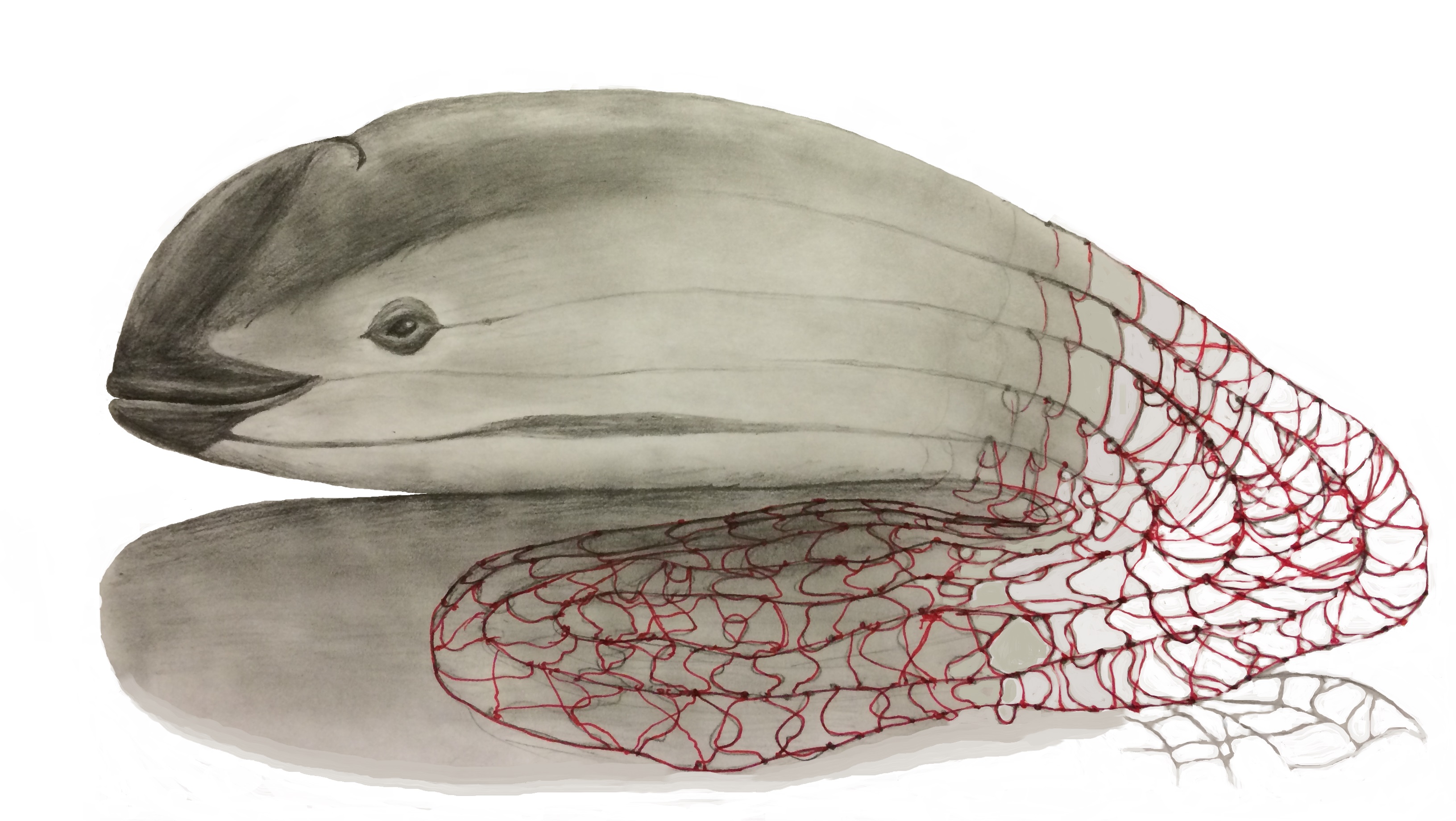
This is a drawing called “Morph.” It represents the complexity of the Vaquita’s situation by showing how vague the difference between the Vaquita and its killer—the gillnet—is. Is there a good side? Or are they both good—or neither? I believe that this is one of the few situations where the murderer is not an antagonist.

The fishermen are people with families that are doing all they can to keep food on the table and a roof over their heads.

The Vaquita is an innocent little porpoise that has never harmed a human being, yet has been forced to don the title of most endangered marine mammal. Their predicament is the unfortunate side effect of an economically efficient fishing method.

There will never be a story about the Vaquita without mention of gillnets. They go hand-in-hand, and always will. Let’s just hope that in the future we will be talking about the Vaquita’s conquering of gillnets, not vice versa.

In the end, it is up to the fishermen to make a very difficult choice: illegally fishing for temporary wealth but driving the Vaquita to extinction and destroying the Gulf’s ecosystem, or switching to admittedly expensive alternative gear that preserves the Vaquita and the food chain as well as giving their families eventual wealth. Our job is to convince them to choose the second one. In addition to spreading the word on social media, an undeniably great way to help with this problem is by donating. $50 can eliminate an entire day of gillnetting. Please consider clicking below and donating to what I believe is the worthiest cause on the planet, brought to you by GreaterGood.org. Thanks from the Vaquita.

https://m.theanimalrescuesite.greatergood.com/store/ars/item/62276/save-the-critically-endangered-vaquita


The painting is finished!

Despedida Vaquita

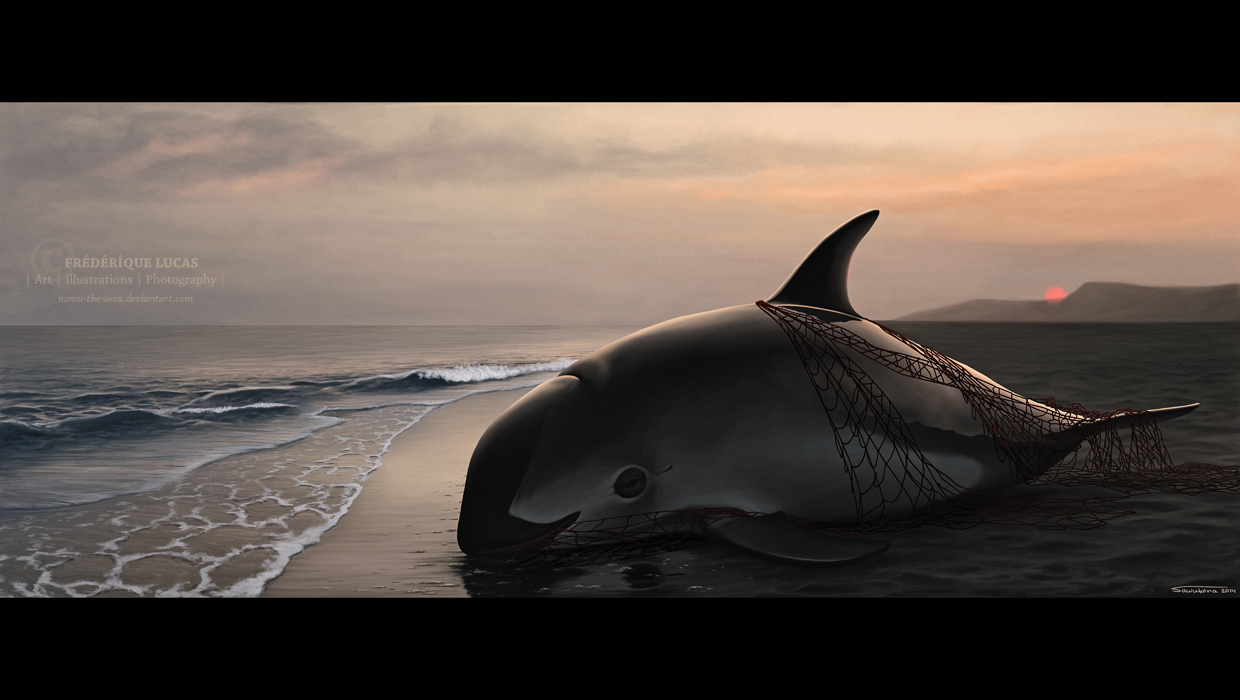
Frédérique Lucas’ masterpiece is complete. Four months in the making, the 17-year-old artist revealed her photo-realistic painting to the world yesterday. Titled “Despedida (Goodbye) Vaquita,” the work manages to capture raw emotion like few other paintings do. It depicts an entangled, washed up Vaquita on a Mexican beach, while the sun vanishes just as the porpoise’s life did. Please share the link below with everyone you know to inspire them to help the Vaquita. We need artwork like this to light a fire in us all to try our hardest to protect this porpoise. Thank you Frédérique and everyone that shares this painting and the Vaquita’s story. I have yet to hear of someone who was not moved by the Vaquita’s predicament, so the problem is that not enough people know. If they did, it would be a whole lot easier to save these little guys.

http://namu-the-orca.deviantart.com/art/Despedida-Vaquita-Goodbye-Vaquita-470879101

In other news, Save the Whales is running a Vaquita drawing contest for students, with the deadline being August 15: http://www.savethewhales.org/STV_StudentContest.html.
The prizes are either 4 tickets to the Monterey Bay Aquarium, or an “Adopt-a-Vaquita Kit” if you can’t make it to California. Those are outstanding prizes, especially for only drawing a picture! This is an opportunity not only to get great cetacean prizes, but also to support the Vaquita while making artwork. I won’t be submitting anything, but I will be making some larger Vaquita paintings soon, where I will put them up for auction with the proceeds going to the Vaquita, as always.
🙂

International Save the Vaquita Day tomorrow!

I want YOU

If you haven’t already heard, tomorrow (or today in some places), Saturday, July 12, is International Save the Vaquita Day. ISTVD is a day dedicated to protecting the innocent little Vaquita. The world has been rough to this petite porpoise, and tomorrow is a chance for us to start paying it back. So what will you be doing for International Save the Vaquita Day? Below is a list of confirmed venues for tomorrow. Please check out Facebook or email me at <gl.tamarin123@gmail.com> to find out what times the tables will be. If you can’t find out, a good bet is late morning, and most tables will last for at least a 3-4 hours. Please click here to spread the word, and here to sign VIVA Vaquita’s petition. For a lot more information on ISTVD, check out: https://vlogvaquita.com/international-save-the-vaquita-day-2014/. And if you can’t make it to one of these tables, there will be a Tweetstorm going on tomorrow; all you have to do is write a tweet that includes the hashtags “#SaveTheVaquita” or “#ISTVD” to help make them trending worldwide. If you want, you can check out @vlogvaquita for some pre-written Vaquita tweets that you can copy and paste for the Tweetstorm.

Thanks to everyone who plans on participating in ISTVD and a huge round of applause to all of the organizers!

List of Events & Locations:

UNITED STATES

CALIFORNIA
Long Beach, CA
Aquarium of the Pacific

Monterey, CA
American Cetacean Society – Museum of Monterey, Custom House Plaza

Rancho Palos Verdes, CA
Point Vicente Interpretive Center

San Diego, CA (4 sites)
• Cabrillo National Monument, Pt. Loma
• Living Coast Discovery Center, Chula Vista
• SD Natural History Museum, Balboa Park
• Tecolote Shores, South, Mission Bay Park

San Pedro, CA
Cabrillo Marine Aquarium

Santa Cruz, CA
Save The Whales – Monterey Bay National Marine Sanctuary Exploration Center

ARIZONA
Biosphere 2 (10 am to 2 pm), Tucson

HAWAII – OAHU
Marriott’s Ko Olina Beach Club, Kapolei
Waikiki Aquarium, Honolulu

OREGON
Oregon Coast Aquarium, Newport

VIRGINIA
Virginia Aquarium, Virginia Beach

AUSTRALIA
Southern Cross University, East Lismore, NSW
Community Center, Byron Bay, NSW

AUSTRIA
Vienna

CHINA
Hong Kong Dolphin Conservation Society, Hong Kong

MEXICO
Dr. Jorge Urban – Estudiantes Somemna, La Paz

NETHERLANDS
Warnsveld, Gelderland

Thanks to William Whittenbury and the Muskwa Club for arranging many of these locations & making the map below.

Map View of International Save The Vaquita Day 2014

Cooking to save the Vaquita: Part 3

Part 2: https://vlogvaquita.com/2013/12/22/cooking-to-save-the-vaquita-part-2/

*Vince Radice has brought to my attention that the sardine fishery in the Gulf of California is not as sustainable as the MSC believes, due to the seabird bycatch caused by the purse seine nets. More information below.

During our incredible trip to Boston for the New England Aquarium’s 2014 World Oceans Day Celebration (recap coming soon), we were treated to a live demonstration of sustainable seafood cooking by one of the most famous seafood chefs in the world, Barton Seaver. Barton is a leading ambassador in sustainable seafood awareness, with two amazing cookbooks on this topic. I bought a copy of his first book, For Cod and Country, and already have made two meals from it. A recurring theme in his books is: eating sustainable seafood alone will not save the ocean. Eating vegetable-oriented meals with small portions of sustainable seafood will. Salads are a perfect example.

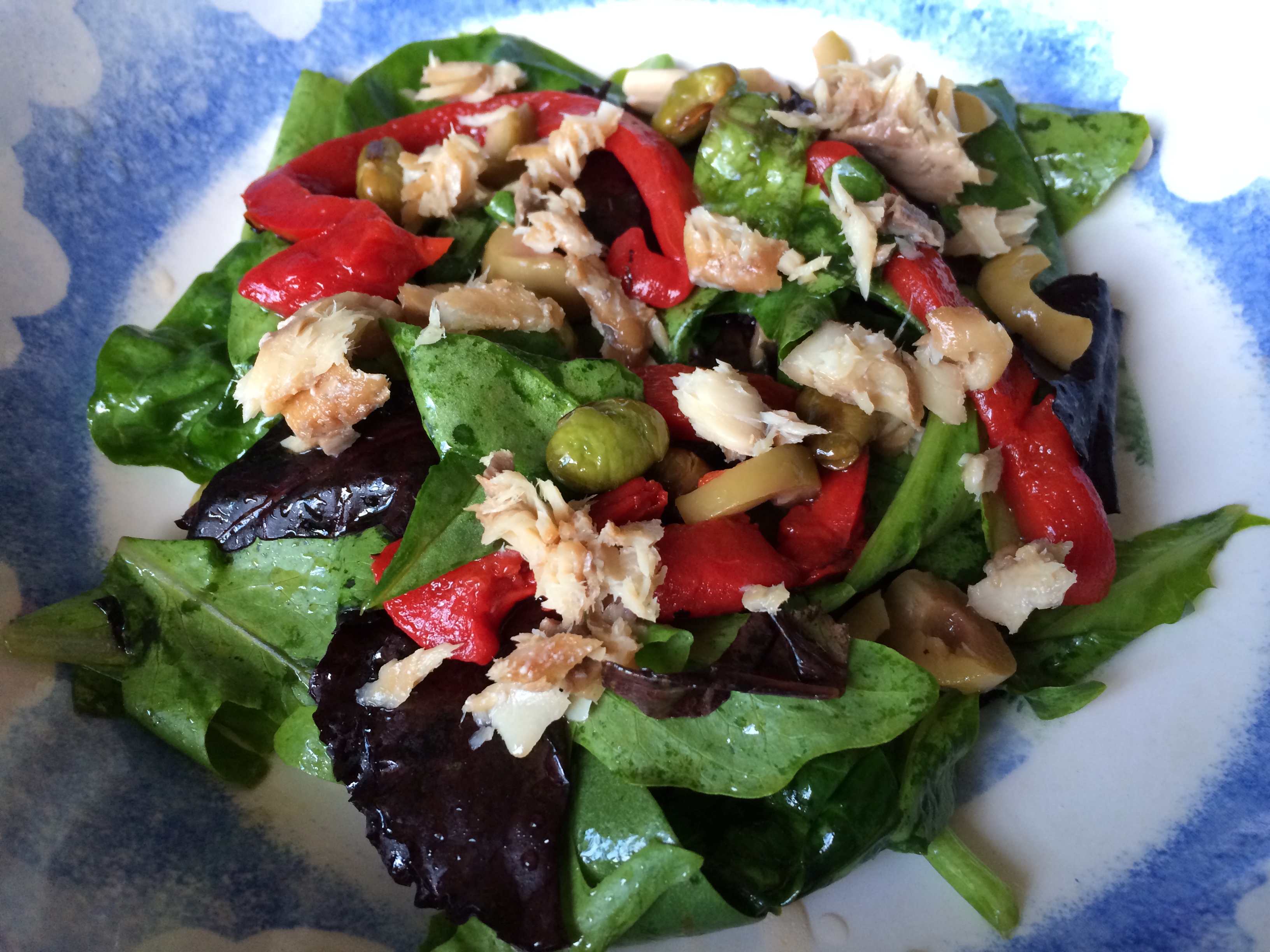
The first dish was “Smoked Atlantic Sardines with Mixed Greens and Fig-Olive Dressing”:
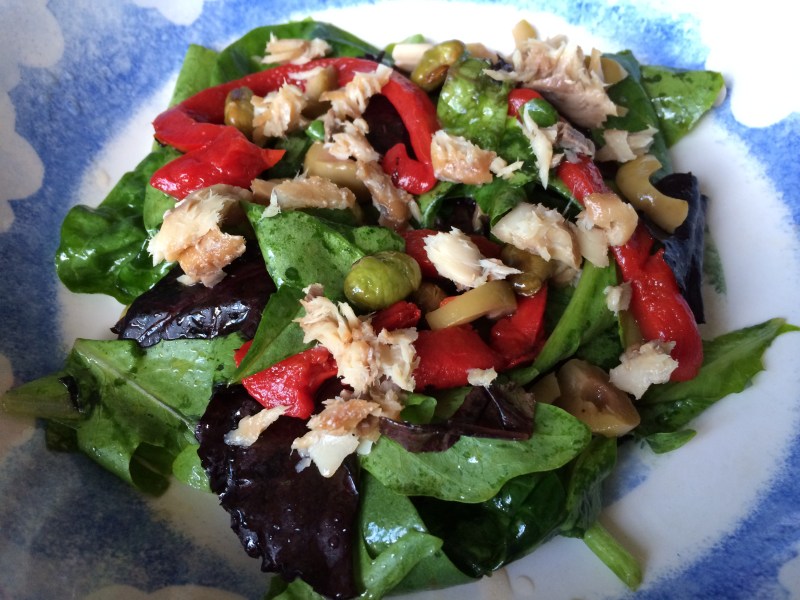
Sardine Salad

Sardines are the ocean’s superfood, packed with omega-3 fatty acids, vitamins B2 and B12, phosphorous, calcium, potassium, niacin, iron, selenium, vitamin D, and tons of protein: http://www.amazon.com/The-Perfect-Protein-Lovers-Feeding/dp/1609614992. Additionally, they are low in mercury levels due to their position on the food chain and their short life spans. Unfortunately, these little sea gems are not caught sustainably in the Gulf of California.

The sardine fishery is one of the main fisheries in the Gulf of California, and is sustainable due to how they are caught: http://www.msc.org/track-a-fishery/fisheries-in-the-program/certified/pacific/gulf-of_california-mexico-sardine. By eating sardines from the Gulf, you are giving incentive to the gillnet fishermen to switch from shrimp, corvina, or other finfish to sardines instead.

*“The sardine fishery in the Gulf of California is not nearly as sustainable as [the MSC says]. I know the players in Guaymas who have spent a great deal of money to become sustainable, [but] incidental bycatch is a huge issue, especially with marine birds.

http://sancarlos.tv/guaymas-commercial-sardine-fishery-preliminary-report/

Also check out this article, one of my photos from the above link made it into the gallery, http://e360.yale.edu/feature/brown_pelicans_a_test_case_for_the_endangered_species_act/2764/ and for a movie that is being produced about brown pelicans by Judy Irving which is going to go into some detail on the big crash in pelagic sardines this year hopefully. https://www.kickstarter.com/projects/pelicandreams/pelican-dreams/

After speaking with scientists from all over the gulf they all concur one thing. The ecology of the Gulf of California has been forever changed by two factors more than just about anything. The commercial sardine fishery and the commercial shrimp fishery (the big boats, not the small artisanal fisherman as pictured in the video above).”

—Vince Radice

This means that it is not good to buy sardines from the Gulf of California. However, this does not mean that all sardine fisheries are unsustainable, so buying sardines is still a great idea for their health benefits alone. Hopefully in “Cooking to save the Vaquita: Part 5,” Vince will be able to give some more valuable insight on what is and isn’t sustainable from the Gulf.

Most people think of sardines as gross. I was one of these people until a few days ago. When I first tried the sardines, I was reluctant to even put them in the salad because I wanted to eat them all straight out of the can. They have a delicious smoky flavor with a hint of tuna. The meaty sardines perfectly complemented the salty olive dressing. Sardines have quickly become one of my favorite seafoods, and I (and hopefully you) will be eating a ton of them in the future.

Learn more here: http://www.fishwatch.gov/seafood_profiles/species/sardine/species_pages/pacific_sardine.htm

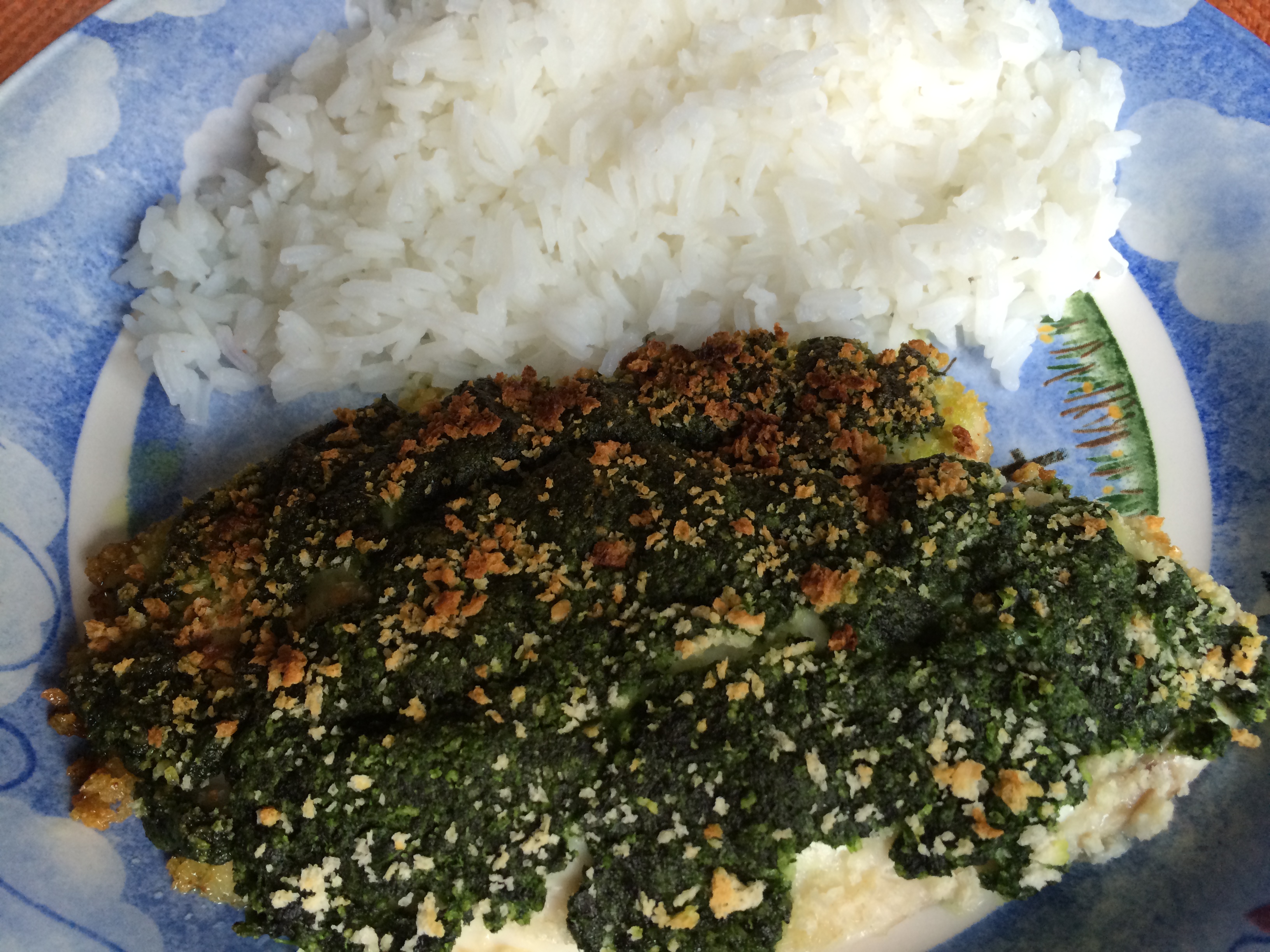
The main course was “Spinach- and Parmesan-crusted Tilapia”:
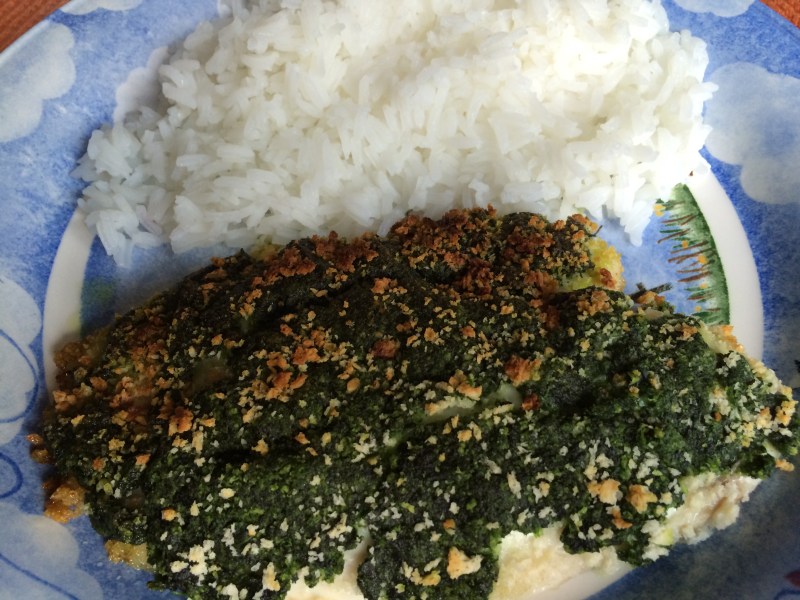
Spinach Tilapia

This might have been my favorite seafood dish of all time. The delectable cheesy spinach did not overpower, or was overpowered by, the sustainably farmed tilapia. It was just right, and the Panko breadcrumbs added a slight crunch that topped off the meal. Tilapia is very easy to work with due to its mild flavor, and it is always sustainable, so there is never any guilt while chowing down on the flaky white meat.

For these incredible sustainable recipes and hundreds more, purchase Barton’s book here: http://www.amazon.com/For-Cod-Country-Delicious-Sustainable/dp/1402777752

As I have said before, AVOID shrimp from Mexico, unless you are at a specifically-designated sustainable shrimp festival for the Vaquita. Here is Seafood Watch’s comments on wild-caught shrimp from Mexico:

Although shrimp are generally highly resilient to fishing pressure, many shrimp populations in the Mexican Pacific and Gulf of Mexico have been depleted. Management efforts to protect shrimp populations that include reducing the size of the fishing fleet, seasonal closure of fisheries, creating marine protected areas, and restrictions on gear have produced mixed results. Some shrimp populations are experiencing rebuilding, while others continue to decline. Even where strong regulations have been implemented, poor compliance and illegal fishing continue to plague the Mexican shrimp fisheries.

Fishing methods commonly used in Mexican shrimp fisheries result in a large amount of bycatch. Vaquitas are a critically endangered porpoise endemic to the Upper Gulf of California, and are caught in entanglement nets used by the shrimp fleet. Although entanglement nets have been banned in part of the Vaquita’s range, the extent of protection and level of enforcement is insufficient, and bycatch from the entanglement net fishery continues to threaten the species with extinction. Shrimp trawls catch other threatened and endangered species including sea turtles, seahorses, sharks and rays. However, Turtle Excluder Devices, or TEDs, which can reduce sea turtle bycatch by more than 90% if deployed correctly, are required in the shrimp trawl fishery. The mortality rates of bycatch species caught in Mexican shrimp gear and the impact on the populations of bycatch species is unknown.

With all of these factors, Seafood Watch recommends that consumers “Avoid” all wild-caught Mexican shrimp.”


As always, I would love to see some of your sustainable seafood recipes and dishes! Please share them with us in the comment section or by emailing me at gl.tamarin123@gmail.com. Thanks!

For more info on sustainable seafood, check out these links:

http://ocean.nationalgeographic.com/ocean/take-action/seafood-decision-guide/

http://kategeagan.com/2011/04/7-myths-about-sustainable-seafood-and-sustainable-seafood-recipes/
World Oceans Day 2014

Happy Memorial Day!

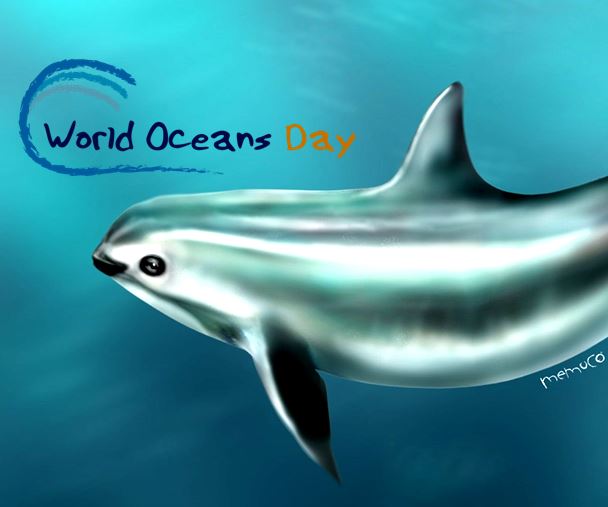
Sunday, June 8th, is World Oceans Day 2014! Like last year, my family will be hosting a table in Boston’s New England Aquarium for their World Oceans Day celebration! Please join us between 11:00 am and 4:00 pm for a day of fun, learning, and conservation!

World Oceans Day Vaquita

The New England Aquarium is big on ocean conservation, and has created the live blue™ Initiative, a project that protects endangered marine species and their habitats. I look forward to educating the public on one of the planet’s rarest and least-known species, the Vaquita, at this wonderful aquarium.

Please check out this really neat website about bycatch, with great statistics and graphics: http://www.bijvangst.org/en/home

Elaborating on my last post, Project #ChangeOurPerception, here is Anthony Bourdain’s blog, which talks a lot about the evolving food culture of Mexico, and The Truth About Mexico, a great Facebook page showing the positive truth about this extremely misunderstood and under-visited country.

Below are some photos of the Vaquita-related things that I have gotten in the past few months:

My dad’s Vaquita calf carving, to go with the mother he made earlier:

Calf Carving

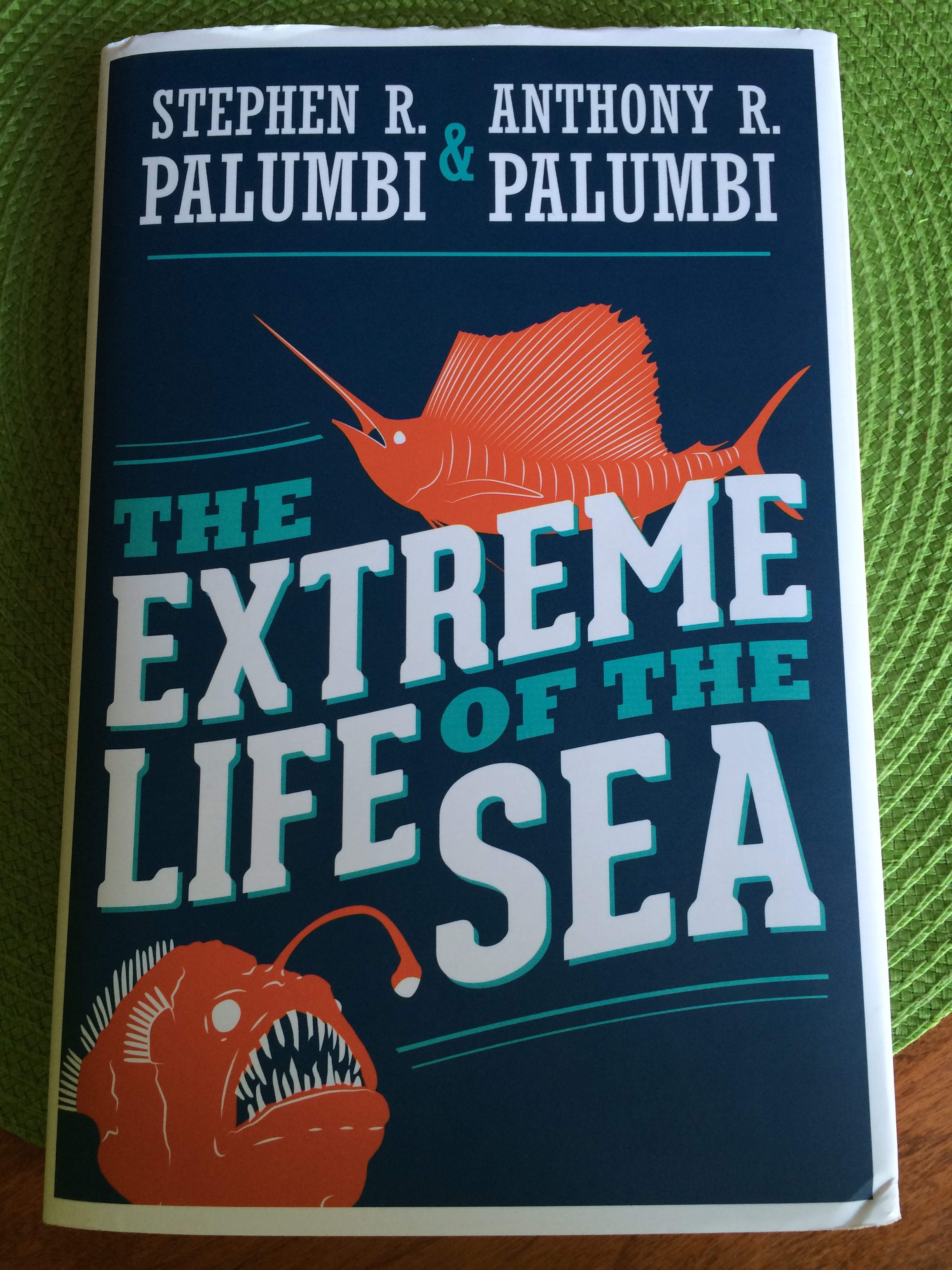
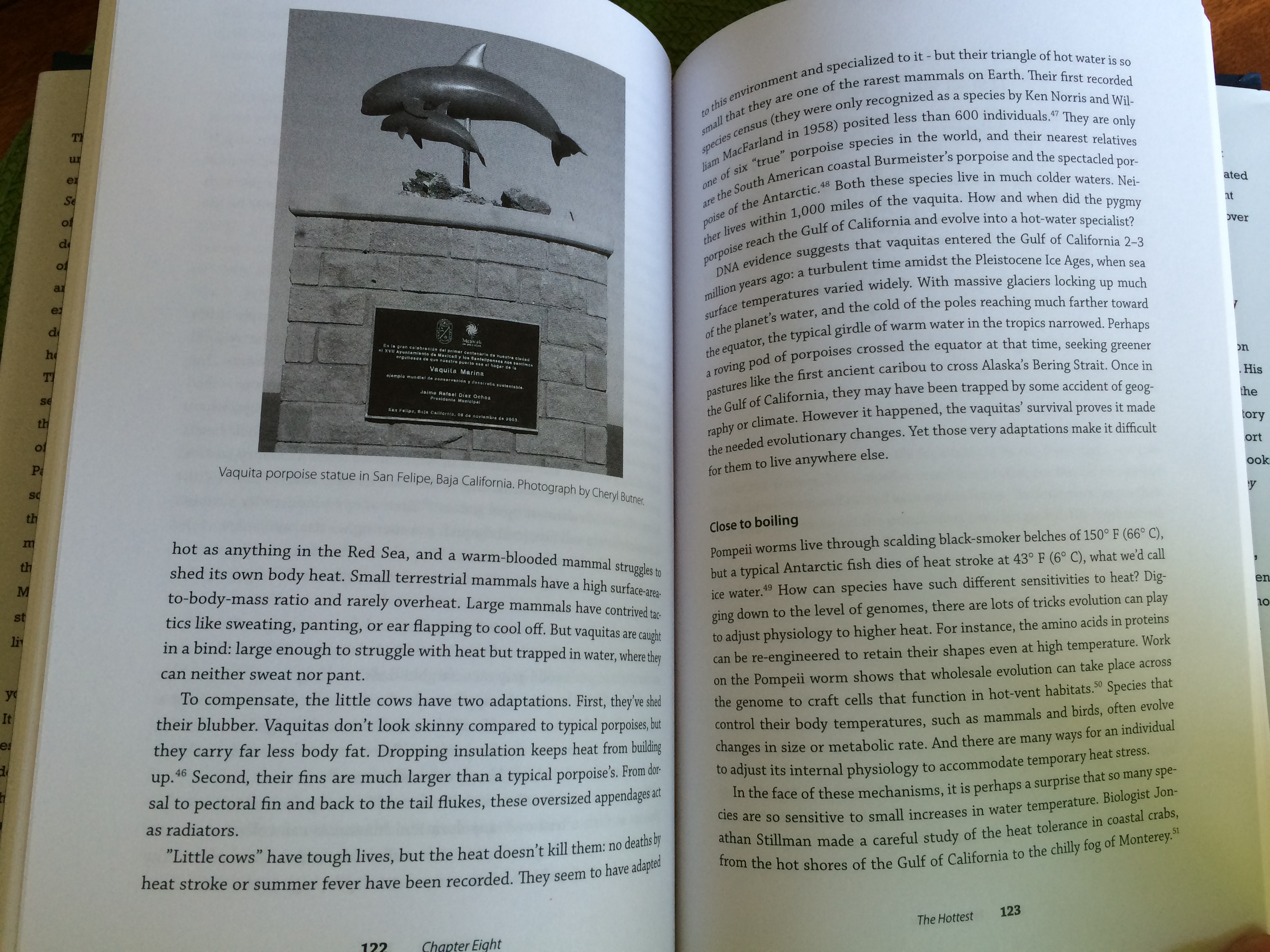
Stephen and Anthony Palumbi’s book, The Extreme Life of the Sea, which contains a few pages about the Vaquita:

The Extreme Life of the Sea cover

The Extreme Life of the Sea interior

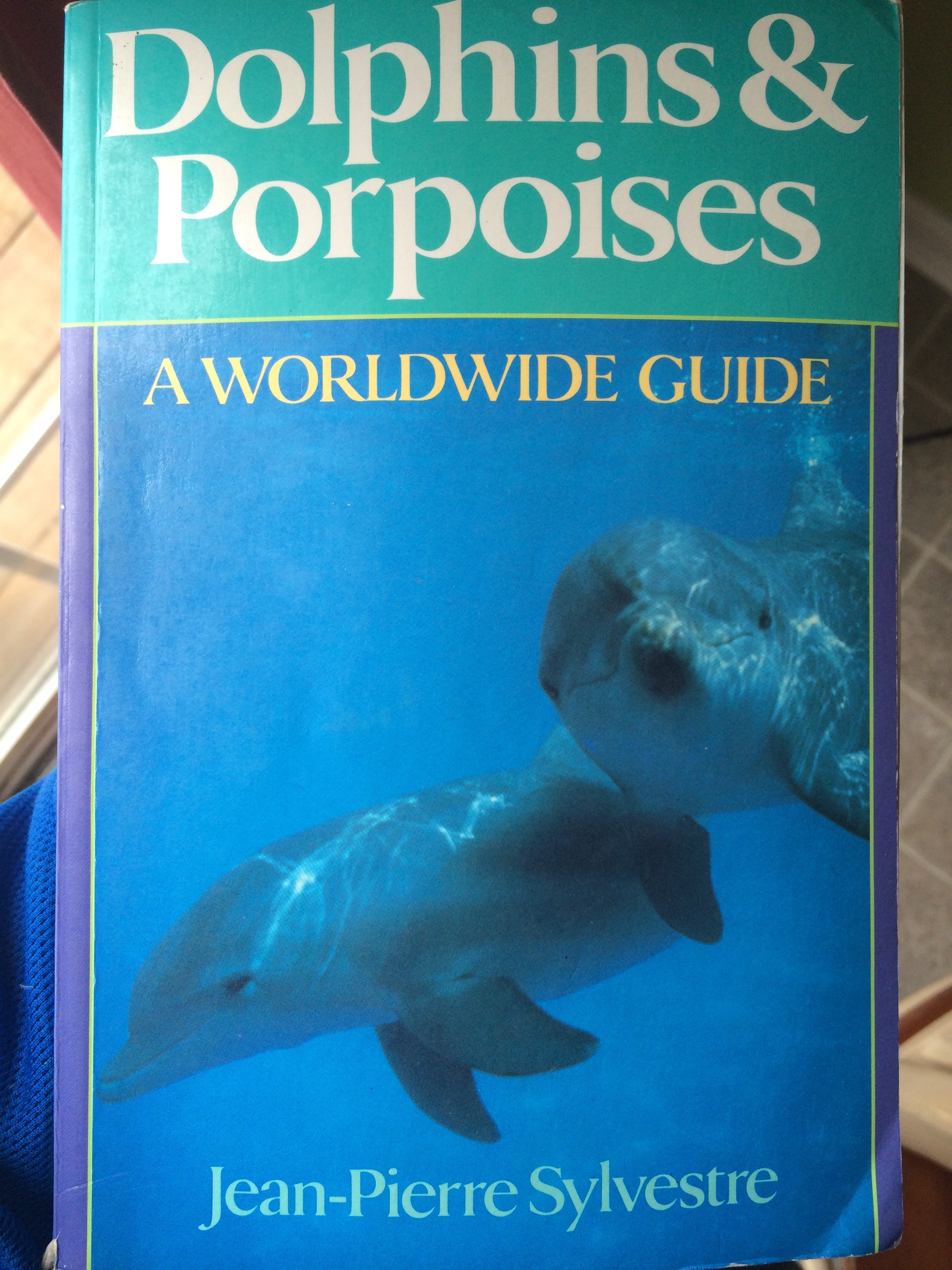
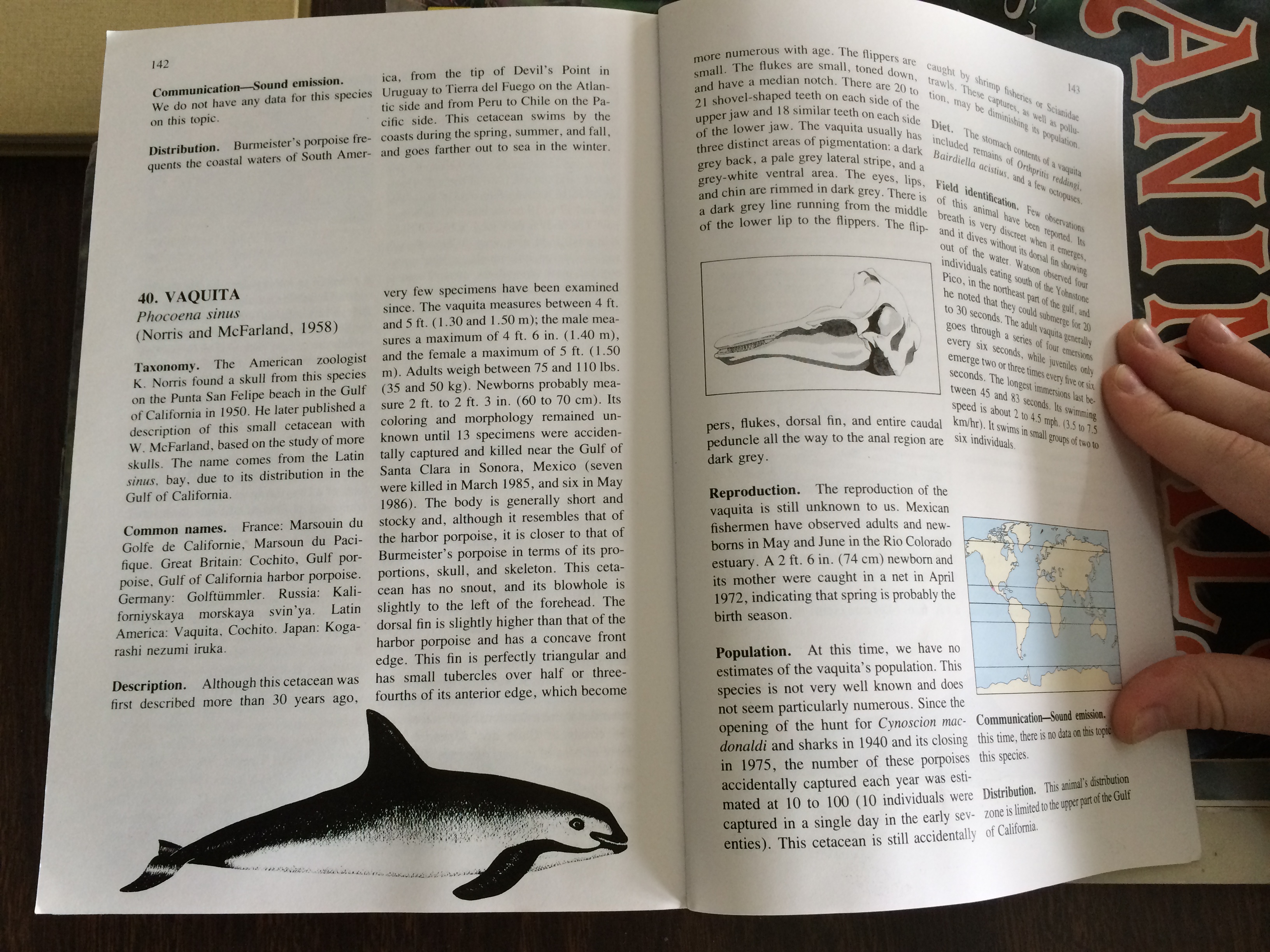
Jean-Pierre Sylvestre’s Dolphins & Porpoises: A Worldwide Guide, which we found in an old book shop:

Dolphins and Porpoises

Dolphins and Porpoises interior

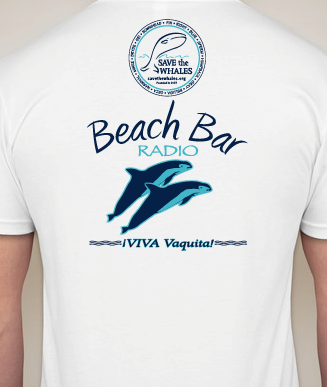
Beach Bar Radio and Save the Whales/VIVA Vaquita’s awesome shirt from their Booster campaign:

Save the Whales back

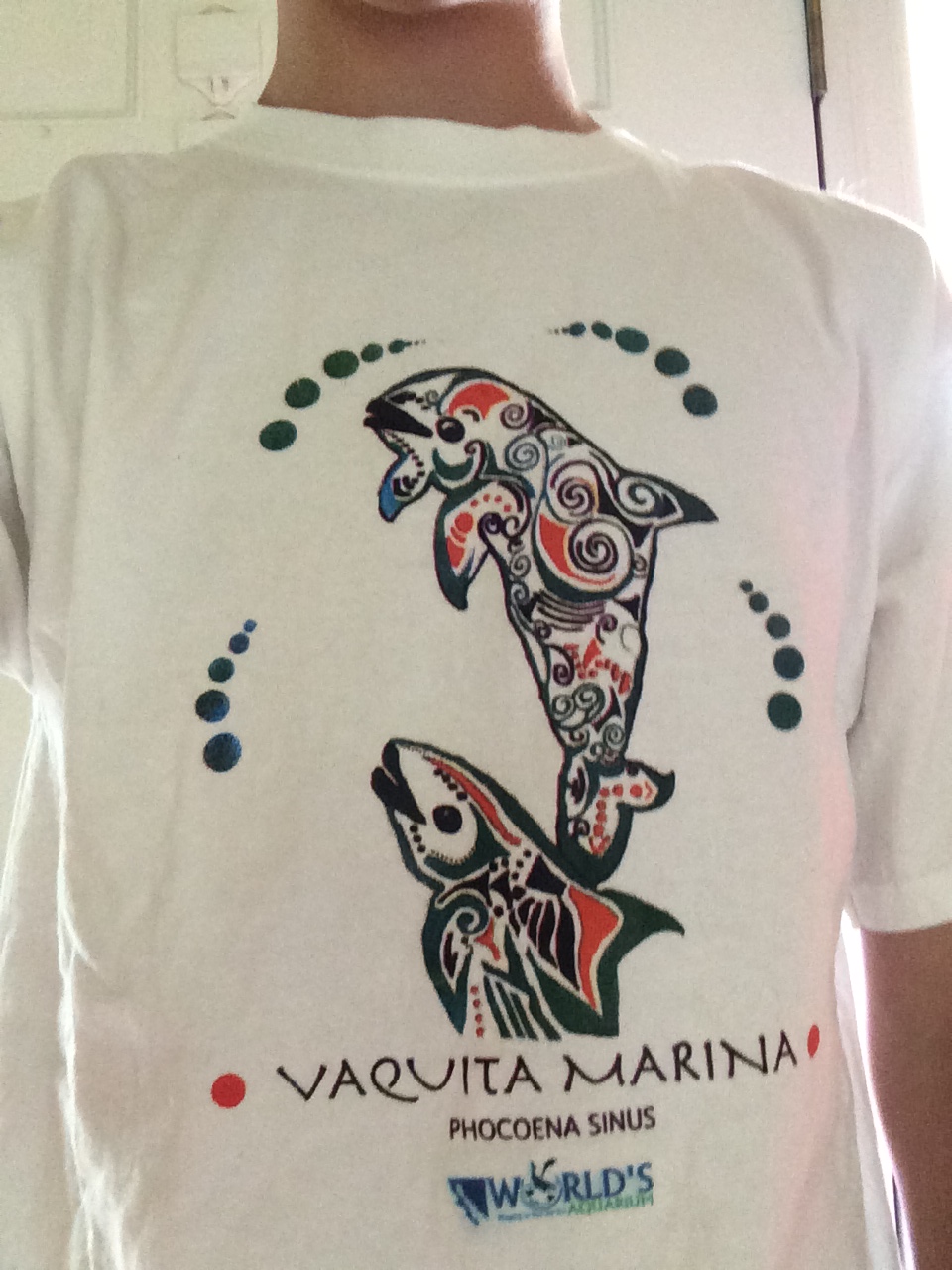
And this cool t-shirt from Vince Radice’s Vaquita documentary Indiegogo campaign:

Vince Radice Shirt Front

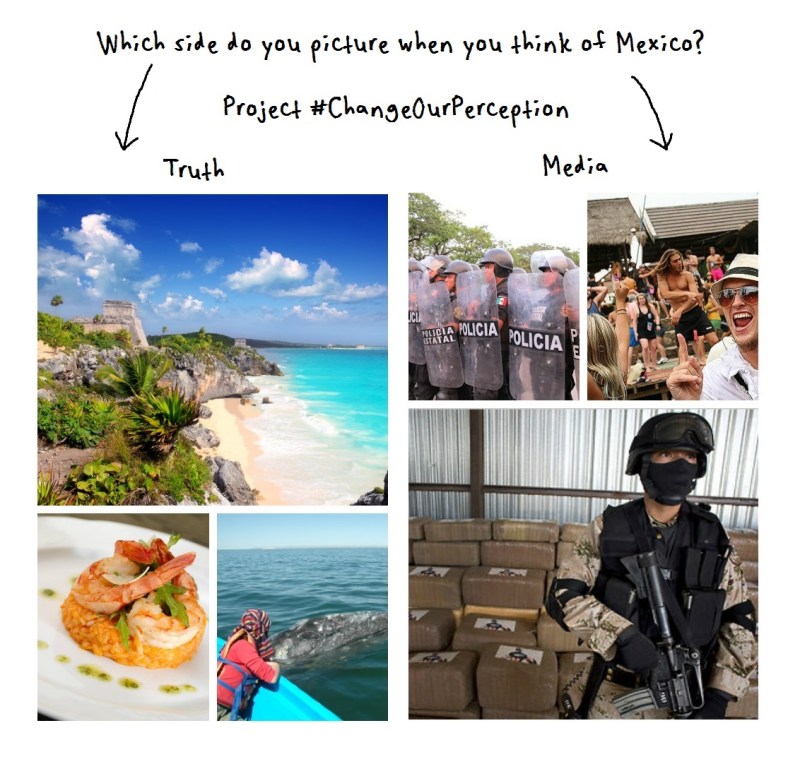
Project #ChangeOurPerception

What comes to mind when you see the word “Mexico”?

1. Drugs? Partying? Politics?

2. How about whale watching? Gourmet food? Safe beaches?

Chances are that you pictured the first line before the second line. These days, the media is giving Americans a terrible idea of Mexico. Here is an excerpt from Cheryl Butner’s and my post:

“Tourism in [Mexico] is actually really interesting. With the American tourists being scared away for several years now because of what our media is telling them, there have been the obvious really bad consequences, like any businesses related to tourism are struggling to stay open, if they haven’t closed already. But there has been a positive side to this too, in my opinion. As an example, I’ve been going to Tijuana for over 20 years. Before all the drug wars in Mexico and economy crashing in the US, it was pretty much like you would see in the movies, a lot of gringos going down there to drink, party, pick up prostitutes, get drugs (legal and illegal), and little kids on the streets begging for money. Now that the American tourists are pretty much gone, Tijuana has really cleaned up and is actually starting to be known as a cultural and food capital. Many newspapers, blogs, etc. have written about how Tijuana is a new gourmet food destination and even some of the shows on the Food Network and Travel Channel have featured Tijuana. Plus the economy in other parts of Mexico (particularly in the big cities) was not as hard-hit as the US was, so the numbers of Mexicans traveling and vacationing in their own country is way up, which is really great. So you see some of this in the Upper Gulf towns as well, especially with more Mexicans vacationing there now than there used to be. Hopefully the number of Mexican tourists will continue to grow to help make up for the drastically reduced numbers of American tourists, which will probably stay really low for a long time.

All of this makes me wonder if, in cities like Tijuana anyway, the American tourists had more of a negative influence than a positive one. Hopefully after Mexico gets control over the drug problems and is able to overcome this unwarranted stigma of being a dangerous country, it will be able to reinvent its image and get away from being known by Americans as a wild party destination, because the country has so many diverse and incredible experiences to offer tourists. It’s already starting in Tijuana, so hopefully the positive changes will continue.”

I am trying to start a new campaign to get more tourists to view Mexico as the pristine, calm food and animal paradise that it has become, as opposed to the drug-filled war field that our media makes it out to be.

If tourism can go up in Mexico, many more successful businesses can be run, giving less need for gillnet fishing in the Gulf of California. If we want to save the Vaquita, there needs to be incentive for the fishermen to stop fishing, and this is the best incentive there is.

It’s time to #ChangeOurPerception.

#ChangeOurPerception

VIVA Vaquita petition

Here is an extremely important message from VIVA Vaquita:

“Dear Vaquita Supporters,

We have a BIG GOAL to meet for a small porpoise that desperately needs your support now! With over 20,523 signed supporters so far, we still need 29,477 more to reach our 50,000 goal before International Save The Vaquita Day on July 12, 2014.

Please take a moment to simply sign our petition to help Prevent the Extinction of the Vaquita Porpoise.

Thank you from ¡VIVA Vaquita!

Prevent the Extinction of the Vaquita Porpoise – the world’s most endangered marine mammal!
http://www.change.org/petitions/prevent-the-extinction-of-the-vaquita-porpoise-the-world-s-most-endangered-marine-mammal

¡VIVA Vaquita! Coalition’s Goals & Mission:

VIVA Vaquita is a coalition of like-minded scientists, educators, and conservationists, who would like to increase the attention given to the Vaquita, the World’s most endangered marine mammal species. Our goals and mission are to generate awareness of the Vaquita and to promote a healthy Upper Gulf of California ecosystem. We conduct research, public awareness and education activities to bring this about. Ultimately, we aim to help save the Vaquita from extinction, and to do so in a way that also provides long-term benefits to the fisherman and other residents who live around the Gulf of California, Mexico.

http://www.vivavaquita.org/
http://www.cetosresearch.org/
http://www.savethewhales.org/
http://acsmb.org/
http://www.cedointercultural.org/
http://www.oers.ca/
http://www.muskwaclub.org/
https://vlogvaquita.com/

https://www.facebook.com/l.php?u=https%3A%2F%2Fwww.picbadges.com%2Fbadge%2F3581249%2F&h=SAQGnX4Em&s=1

#SaveTheVaquita

Please share this!

T-shirts and more

Hurry up! There are only a few hours left to buy an awesome Save the Whales/VIVA Vaquita t-shirt with the profits going to the Vaquita!

https://www.booster.com/vivavaquita

For the entire month of April, VIVA Vaquita will be the recipient of Mahalo Mondays at Hula’s Island Grill and Tiki Room in Monterey, California, so please eat and/or drink there on Mondays in April. 10% of Hula’s sales from 4:00 pm until closing on Mondays will go to VIVA Vaquita this April!

TakePart and WWF have teamed up to create a March Madness-like bracket for endangered animals! Please vote on the matchups and TakePart will donate up to $2,500 to WWF! The World Wildlife Fund is one of the biggest Vaquita supporters, so it really is important that you vote once a day until April 9!

http://www.takepart.com/animalbracket

Also, my book will soon be for sale in the Hau’ula Gift Shop on the Windward side of Oahu, Hawaii, in the Ching Jong Leong store building in Punaluu. The gift shop is run by Fawwaz Jubran, and is mentioned in this article: http://www.hawaiibusiness.com/Hawaii-Business/January-2008/Roadside-Attraction/.

If you are in the area, please join the Muskwa Club at their Vaquita table during the Point Vicente Interpretive Center’s ‘Whale of a Day’ on April 5 from 9:30 am to 4:30 pm! The event promises to be informative, exciting, and simply a whale of a time. 😉

Finally, thanks to everyone who participated in the Post-a-day Challenge. I hope that many people learned about the Vaquita this month, but let’s not stop! Keep sharing the Vaquita love!

Thanks

Pop Culture Porpoise

~Dedicated to Andy Warhol~

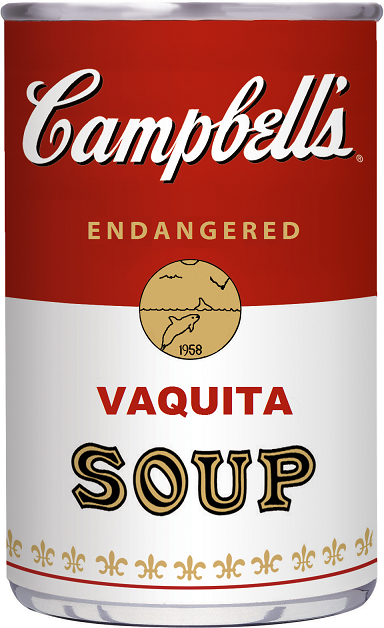
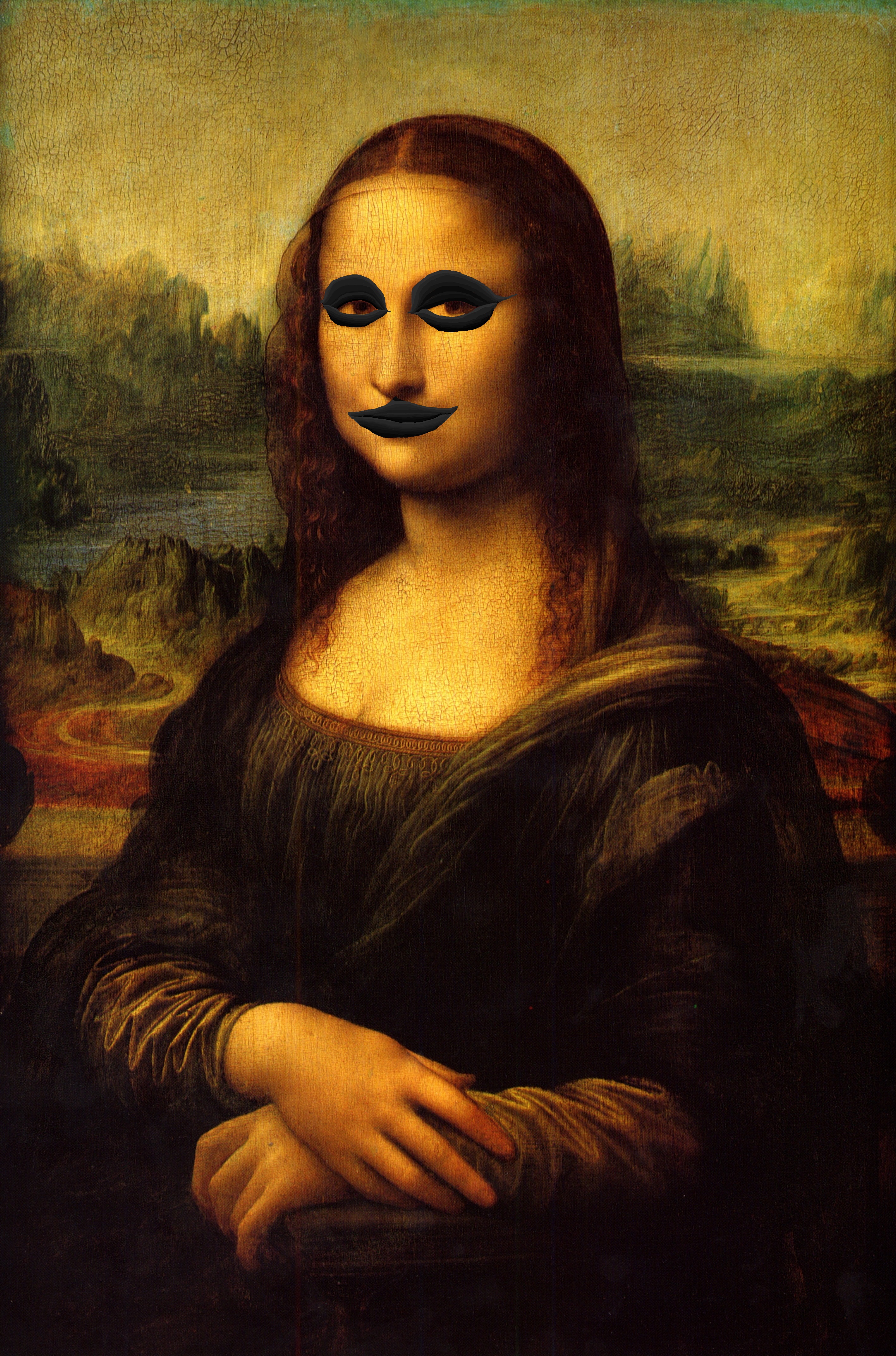
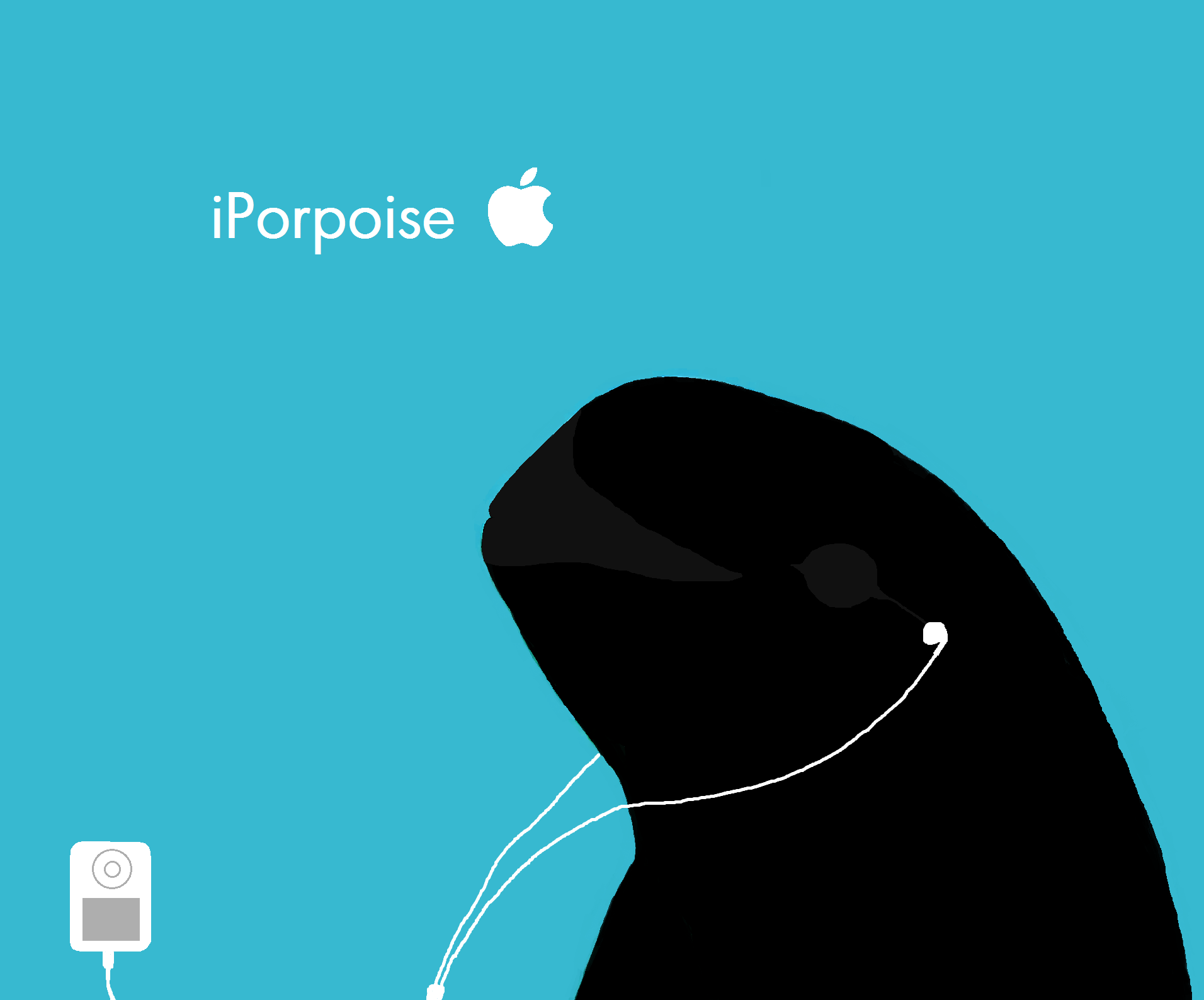
I thought it would be fun to start a new series of artwork: Pop Culture Porpoise. The idea is to Vaquita-fy famous pictures and symbols. Simple as that. Here is what I have done so far, and I am welcome to any suggestions such as new ideas for this series or any other types of art.

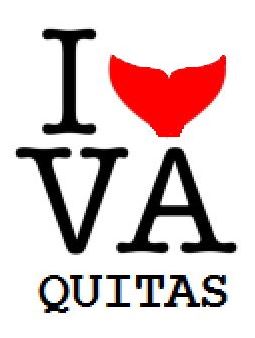
I ❤ Vaquitas

I Heart Vaquitas

Campbell’s Vaquita soup

Vaquita soup

Eternal smile

Eternal smile

Mona Vaquita

Mona Vaquita

iPorpoise

iPorpoise

All original pieces upon which these designs were based © copyright their owners. I am not affiliated with Apple Inc.